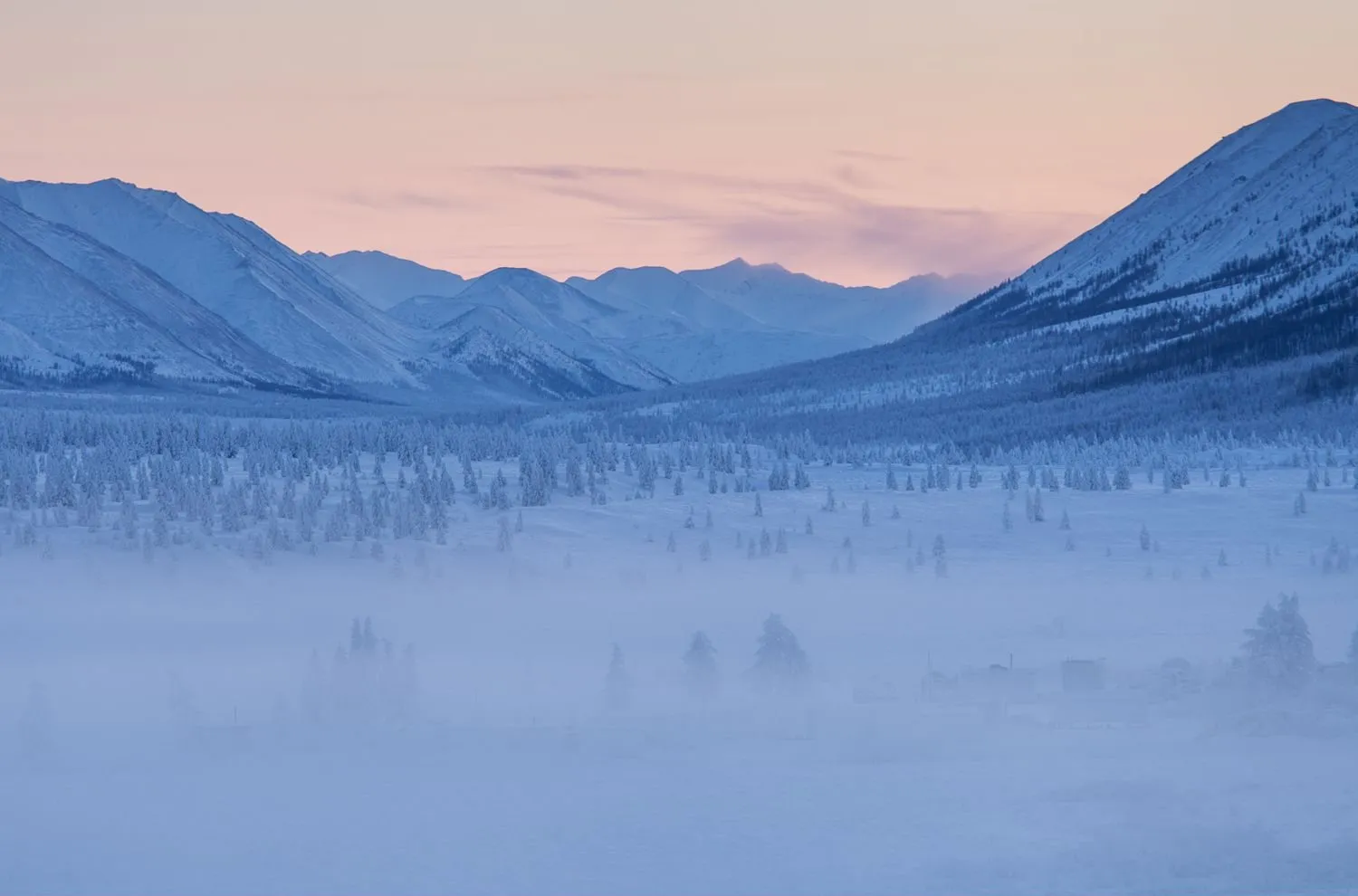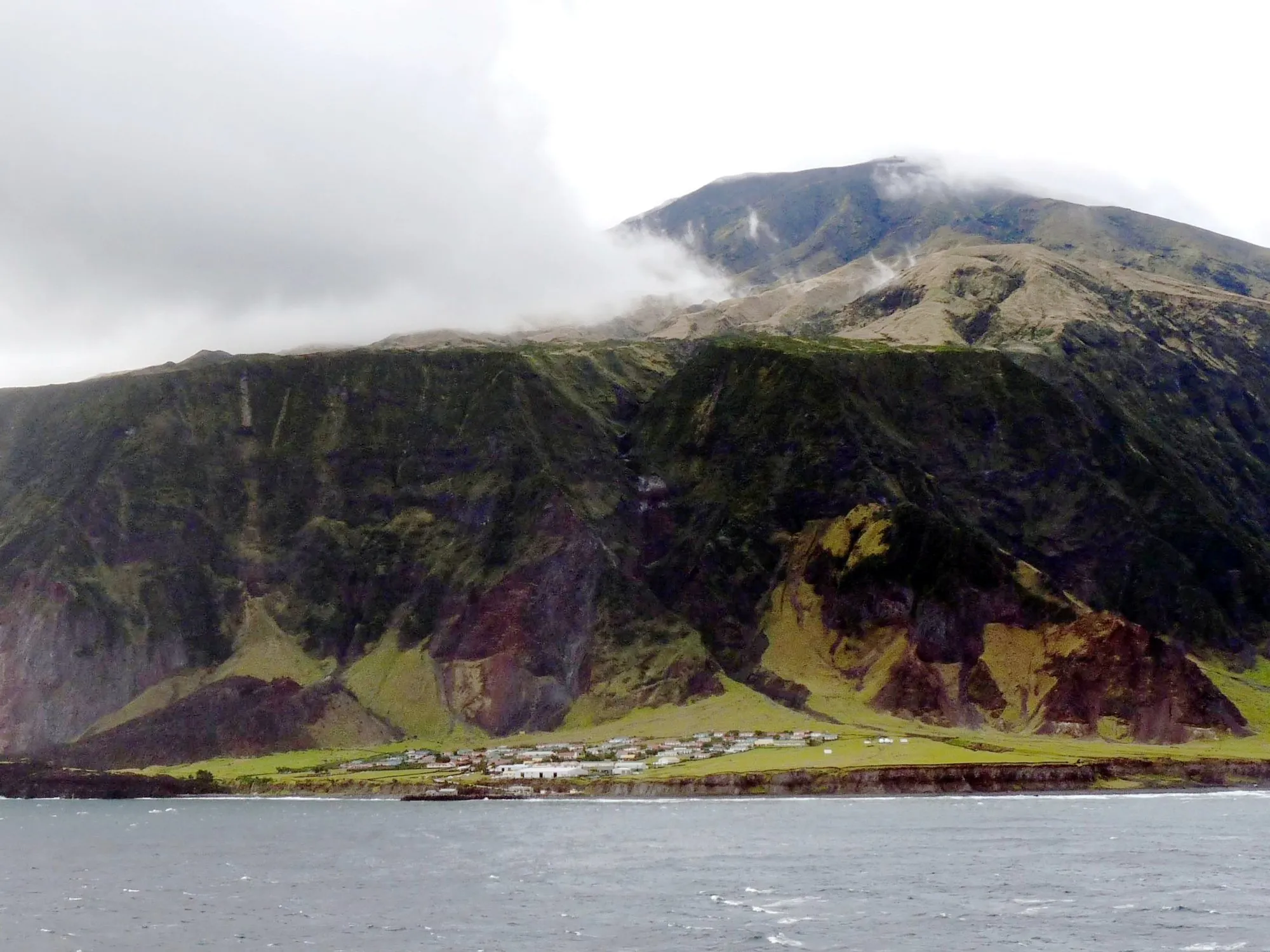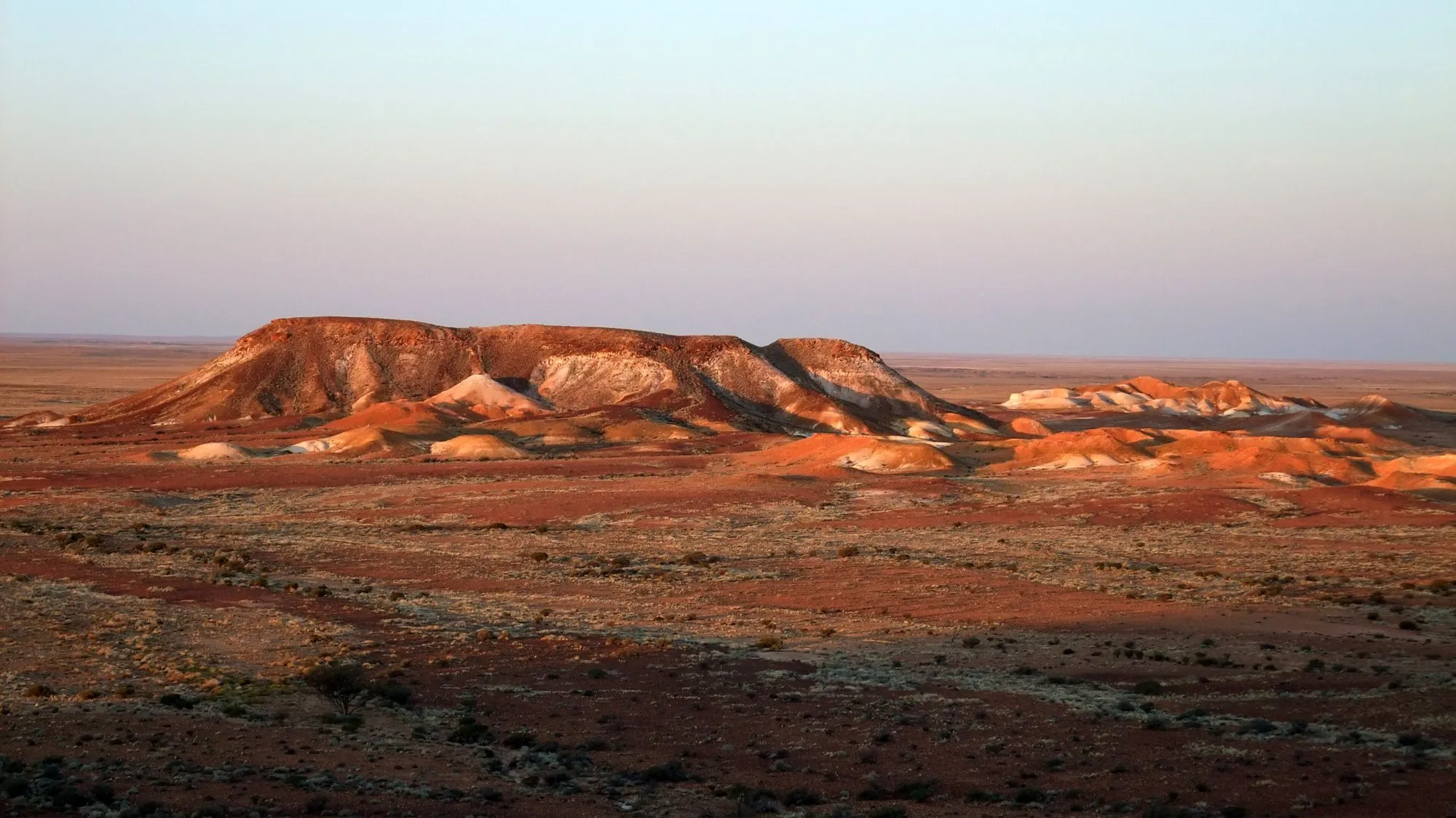
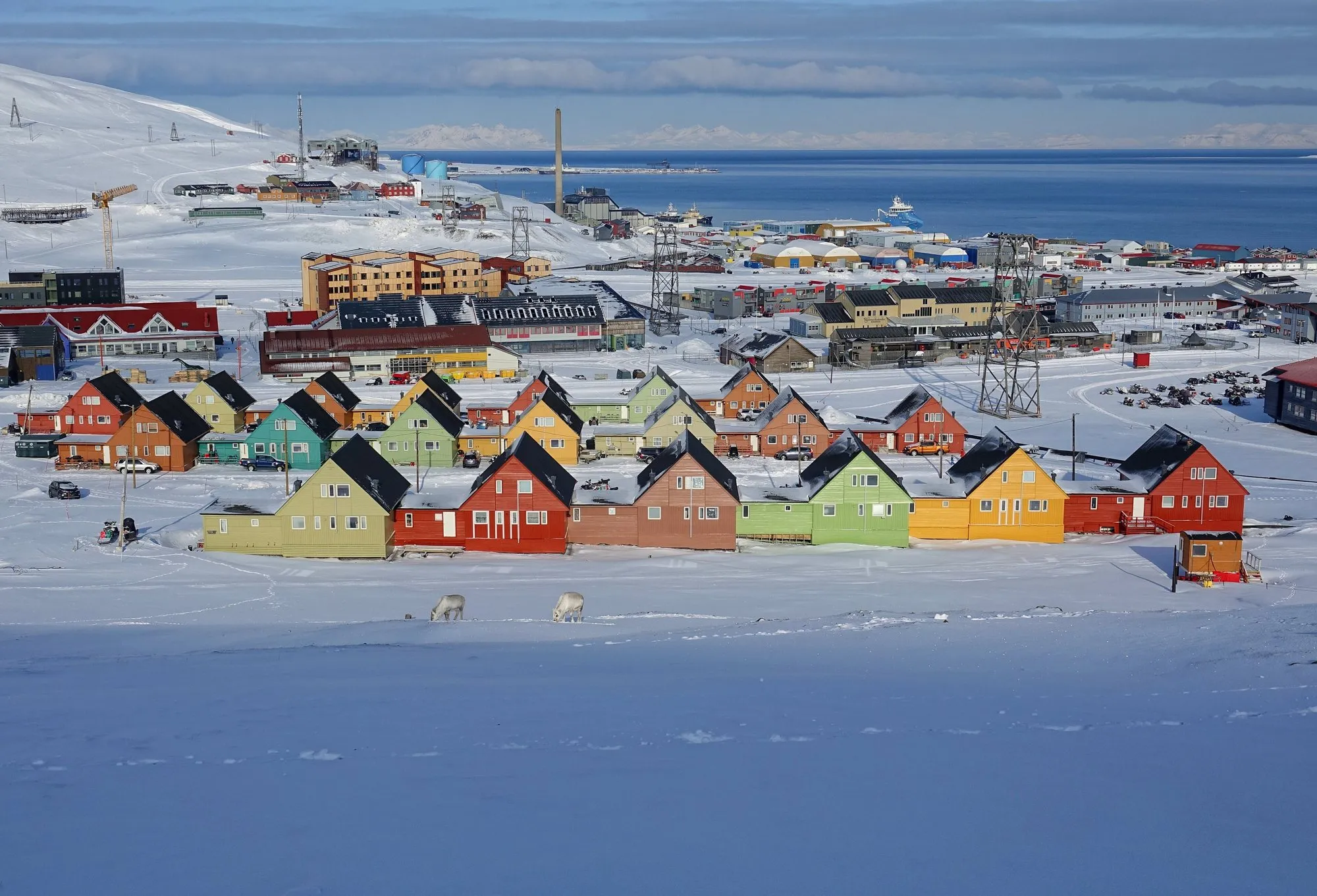
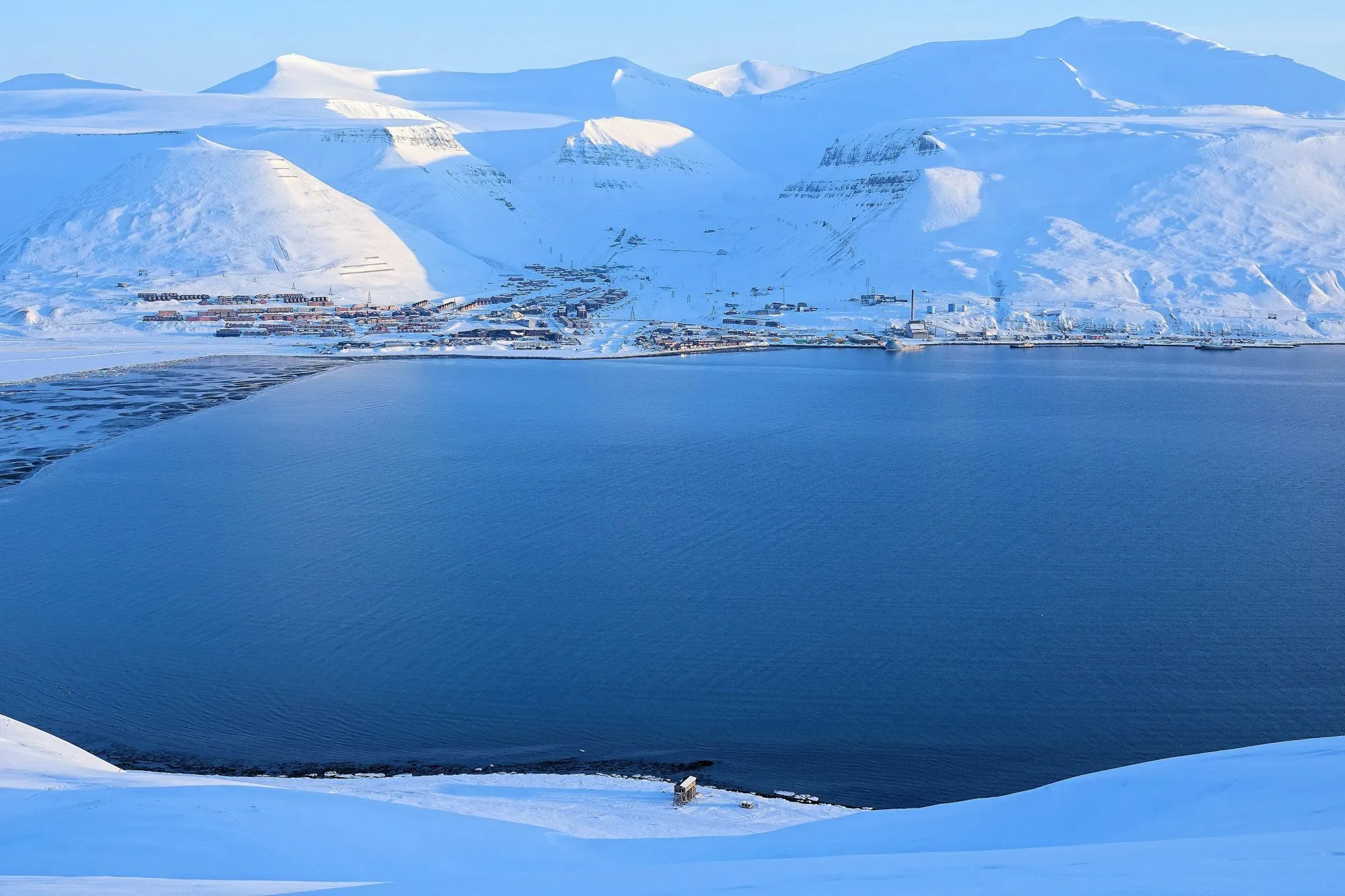
Longyearbyen sits at 78° North on Spitsbergen, the largest island of the Svalbard archipelago, about halfway between mainland Norway and the North Pole. It began as a coal-mining town, and today about 2,800 people live here, with a university centre, a seed vault holding the world's crop diversity, and polar bears in the surrounding hills.
It's surprisingly easy to reach, with daily flights from mainland Norway, but it runs on very different rules from anywhere else. This guide covers getting there, staying safe outside town, and what each season is like.
The route at a glance
Tap a dot for details. Drag and zoom to explore.
Getting there
Scandinavian Airlines flies daily from Oslo and Tromsø to Svalbard Airport, about 5 km from town. That’s the only practical way in, apart from cruise ships.
Paperwork: under the 1920 Svalbard Treaty, Svalbard is outside the Schengen Area, and foreigners don’t need a visa or permit to visit or work there. But to get there you fly through mainland Norway, which is in Schengen, so you need whatever documents that transit requires for your nationality. Expect a passport check when you leave the mainland.
Polar bears: the rule that shapes everything
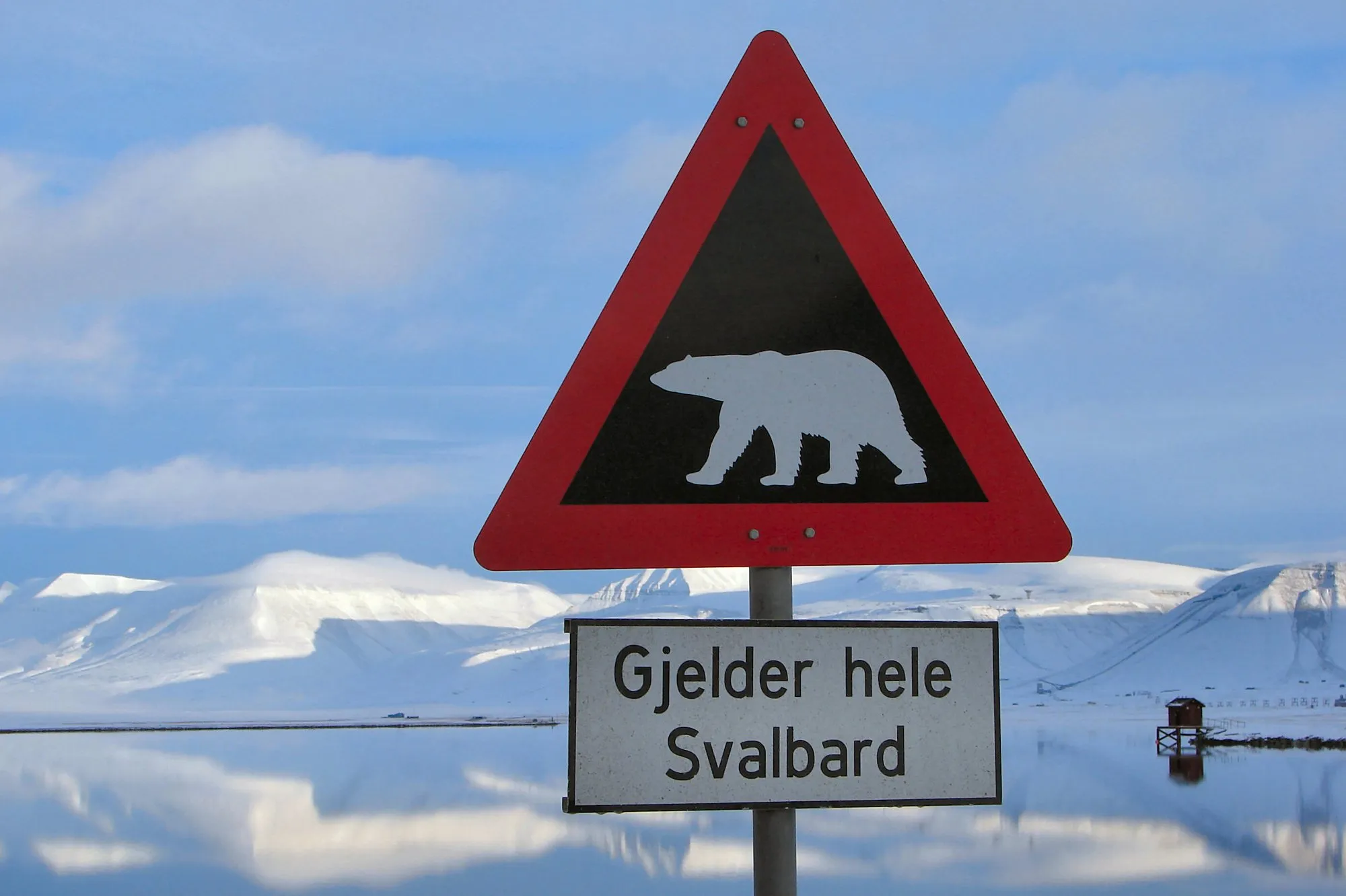
Polar bears live throughout Svalbard, and the signs at the edge of Longyearbyen say exactly that: Gjelder hele Svalbard, “applies to all of Svalbard”.
- Inside town you can walk freely.
- Outside the settlement, you’re in polar bear country. Visitors should join guided trips with an armed, trained guide. Going out on your own means carrying approved protection: the Governor of Svalbard sets strict rules on which rifles are allowed, and on permits to borrow or rent one.
- Polar bears are protected. Never approach or disturb one. Shooting a bear is only allowed as a last resort in self-defence, and every case is investigated.
“It’s illegal to die here”
You’ll hear this one. It isn’t quite true, but there’s a reason for it: burials have been banned since 1950, because bodies don’t decompose in the permafrost. Ashes can be buried with government permission, and people who are seriously ill are usually moved to the mainland.
What to see and do
- Svalbard Museum: the natural history, trapping, mining and exploration of the archipelago.
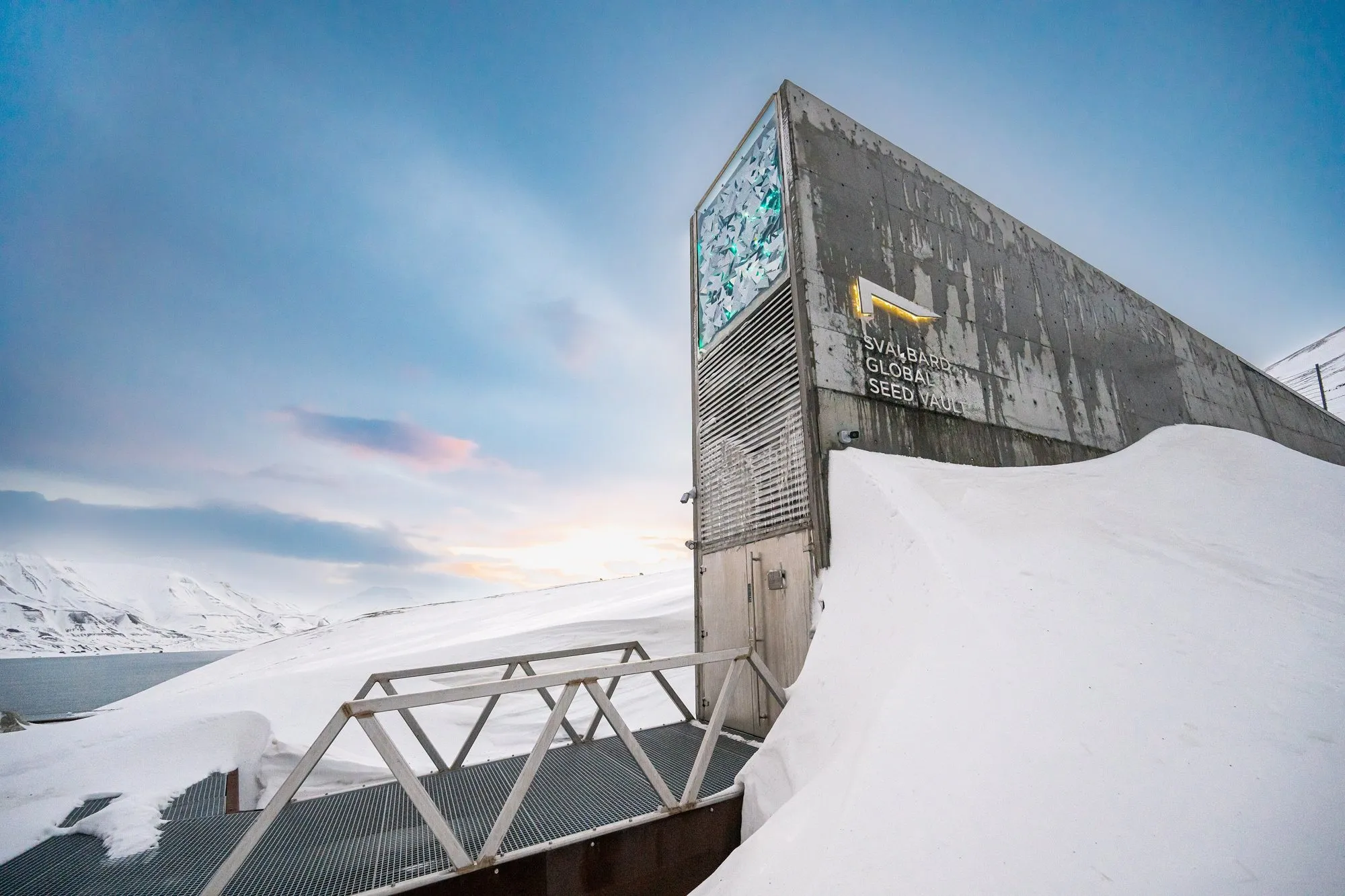
- The Global Seed Vault: opened in 2008 to safeguard copies of the world’s crop seeds. You can see its striking entrance in the hillside near the airport, but the vault itself isn’t open to visitors.
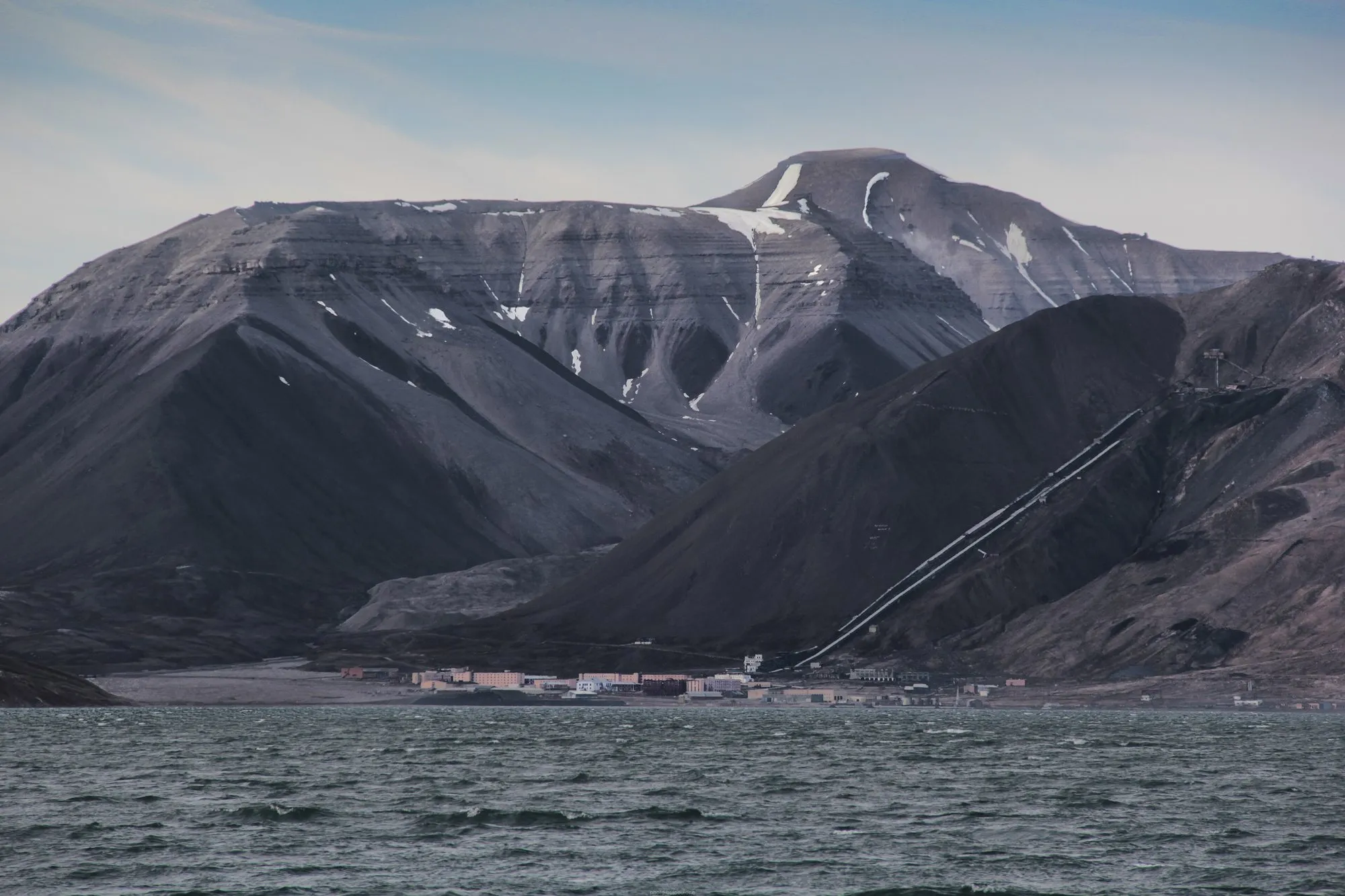
- Pyramiden: an abandoned Soviet coal-mining town under a pyramid-shaped mountain, reached by boat in summer.
- Dog sledding, snowmobile trips and ice-cave tours in winter and spring, and kayaking, hiking and boat trips to glaciers in summer, all with guides.
Which season?
- Polar night (late October to mid-February): the sun stays below the horizon for 111 days. It’s dark, cold and atmospheric, with a chance of the northern lights. Around 8 March, the sun’s return to the town is celebrated with a week-long Sun Festival.
- Spring (March to May): snow, increasing light and the best season for dog sledding and snowmobile trips.
- Midnight sun (18 April to 24 August): the sun never sets. Summer brings boat trips, birdlife and hiking with guides.
Temperatures: the record low is −46.3 °C (1986) and the record high is 21.7 °C (2020). Pack proper winter clothing for any season, and wind-proof layers even in summer.
Practical notes
- There are no roads between Svalbard’s settlements. Getting anywhere beyond town means a boat, a snowmobile or a guided trip.
- Book tours and accommodation ahead, especially in spring and summer.
- Prices are high: almost everything is shipped or flown in.
Free stops on this route
Places that cost nothing to visit. Rules for staying overnight are in the guide above.
- Free stop
Svalbard Global Seed Vault
See the entrance from outside; the vault isn't open to visitors.
- Free stop
Svalbard Church
One of the world's northernmost churches.
Along the way
Sources
We last checked this guide on 12 Oct 2026. Roads, fees and rules change. If something is out of date, tell us at support@nexaround.com.